How sugar affects your brain

icecream

It’s not news that too much sugar hurts you. But we keep eating it. And not just every once in awhile for a treat. The average American ends up eating over 100 pounds of sugar every year. Those boxes of cane sugar in the grocery store are one pound each, so imagine 100 of those. It’s more than three times the amount we were consuming in the year 1900.

So why do we keep doing it? Especially at a time when we’re blasted with stories about how over one-third of Americans are obese and 18.8 million are diagnosed with diabetes. The short answer: our brains make us do it.

How it’s supposed to work

When you eat a well-balanced meal, your cerebral cortex receives a signal that you’re consuming fuel. Something that’s going to keep you going for a few more hours until it’s time to eat again. And it wants to make sure you do this again as soon as that fuel runs out.

o it gives you a nudge. It tells the brain’s reward center to release some dopamine; that feel-good hormone that tells you, “I need more!” just in case you were thinking that would be your last meal for awhile.

The amount of dopamine released depends on what you eat and how often you eat it. If you eat the same thing over and over again, the amount of dopamine released goes down with each serving until you’re disgusted just looking at it. This is meant to encourage you to eat a variety of foods so you get all the vitamins and minerals you need to function at your best.

Sugar throws the curve

Sugar doesn’t play by these rules. Every time you consume sugar, you get a stronger dopamine spike than what you’d get with a balanced meal. It’s the most quickly absorbed source of energy when you’re feeling drained, and your brain sees that as a great thing and it wants more.

What it doesn’t take into consideration is that blood sugar levels will get too high if you eat too much sugar in a short period of time. But your pancreas does. It’s the job of the pancreas to keep your blood sugar in check, and when blood glucose levels get too high it floods your system with insulin to pull glucose out of the bloodstream. That’s when you get a sugar crash.

But now your brain knows how to fix this problem. More sugar! And maybe this time, a higher dose of sugar will keep your blood sugar stable longer. So it takes a little more sugar to create a dopamine release which starts an addictive cycle of craving, sugar, crash until you can’t stop yourself.

Breaking the cycle

So how do we give up sugar? It’s something we’ve all tried, but very few of us have succeeded. Here’re some tips to take back control over what you eat:

1. Don’t get hangry

If you’re getting hungry to the point where you’re shaking, you’re waiting too long to eat and your blood sugar levels are getting dangerously low. You’re practically asking for sugar cravings because your brain knows the quick fix to boost those blood glucose levels.

Make sure to eat a well balanced meal (with lots of protein, vegetables and healthy fats) every 4-6 hours to keep yourself from getting to the hangry stage.

2. Know what counts as sugar

The less you eat sugar, the less your brain’s going to turn to it as a quick fix. But in today’s world,sugar doesn’t just come in the form of raw sugar cane.

Common forms of sugar include corn syrup, fruit juice, honey, molasses, syrup and agave. It can also be listed as sucrose, glucose, maltose, lactose and dextrose. And starch too.

Yes, starches count as well. When they’re broken down they turn into sugar and processed by the body in a similar way.

Unlike sugar, there’s some nutritional value to whole grains, so it’s not something you need to avoid forever. But when you’re trying to get over sugar cravings, it can help to avoid these until your body regains balance.

3. Eat your fiber

Fiber has a lot of advantages, one being that it keeps your blood sugar levels stable even when you’re eating something starchy or sugary. It slows the absorption of sugar into the bloodstream so you don’t get that same spike and crash. Without a crash, you don’t need to get your blood sugar back up and there’s less reason for your brain to bring on the cravings.

Fiber comes from vegetables, avocados, berries, legumes and nuts. It can also be found in whole grains, but if you’re trying to wean off the sugar cravings then those aren’t your best choices. At least not until the cravings are gone.

What your cravings mean and what to do about them

There’s nothing simple about cravings. They come in many forms, including chocolate, pizza, salty and crunchy. The biggest commonality between them is they usually come without warning and won’t quit until they’re satisfied.

How to know when you’re having a craving

It seems like it should be obvious, but a lot of times we don’t actually realize we’re having a craving. That’s because we often confuse cravings with hunger. We have a tendency to assume that if we want food, we’re hungry.

It’s understandable. Most of us have never been taught to question why we’re headed to the kitchen. And thanks to the hunter-gatherer stage of human history, your body believes that your next bite of food won’t be coming for a long time so it would never encourage you to stop and think before chowing down. 

So how do you tell the difference between cravings and hunger?

Hunger is a cue from your body that you’re starting to run low on fuel and it might be time to replenish. Typically, hunger comes about 4-6 hours after eating and gives you an hour or two of leeway before you’re ready to eat everything in sight.

Another clue that you’re experiencing hunger is your desire to eat anything. Sure, you have your preferences. But if you had to eat something you only considered mediocre, you’d do it.

Cravings are different. When you’re craving something it’s going to be for one particular food or flavor profile. And you want it now. 

Unlike hunger, there isn’t just one reason a craving might hit you. The best way to know what to do is to understand the cause and how it relates to your body.

Your body needs something

When your body’s lacking something, it’s going to ask for it the best way it knows how. Sometimes that comes in the form of a craving.

1. Searching for the perfect nutrient
Nutrients have specific flavors that help our bodies know what foods to look for when that nutrient is lacking. When you start to get a strong craving for a very particular food, that’s a good sign that your body is looking for a particular nutrient.

Sometimes that food isn’t good for you though, and that’s when confusion sets in. A processed food might be full of junk, but it might still contain that flavor your body’s looking for. Whether that flavor is real or artificial, or whether the food you’re eating contains less desirable ingredients doesn’t matter much to your body. It knows what it’s looking for and won’t stop until it gets it.

Chocolate is the classic example. You lack magnesium. That flavor can be found in chocolate. You crave your favorite chocolate bar because you’ve come to associate it as the best way to find that flavor. Nutrient found.

Things go a little haywire though when it comes to artificial flavorings. If you’re lacking phenylethanol, your body’s going to start sending out a signal for tomatoes to find that phenylethanol flavor. But if your strongest association of that flavor is from your tomato-flavored crackers, that’s what you’re going to start craving. Even though there’s no phenylethanol there.

If you’re craving something specific, try thinking about what it is about that food that your body might be looking for (magnesium, tomato, etc) and see if eating a healthier solution will calm your cravings.

2. Ignored physical needs
Your cells and organs are constantly performing tasks to keep you alive, and to do this they need proper support from the food you eat. Nutrients play a huge part in keeping everything running, but your body needs other things from food besides just nutrients.

Calories, for instance. You need to eat a certain number of calories every day to function. They serve as energy to keep you moving. If you don’t have enough, after awhile your exhaustion will only be matched by your craving for calorie dense foods like carbohydrates.

Blood sugar management is also important. If your blood sugar is running low because you skipped too many meals or you’re in the middle of a sugar crash, your body’s going to turn up the cravings for sugar until your blood sugar is back a desirable range.

In these cases, it’s okay give into your cravings in the short term to restabilize yourself. They’re happening because you’re running low on something essential, so it’s best to get back into the green zone sooner rather than later. But once you’re feeling better, evaluate your diet to make sure you’re supporting all your physical needs.

3. Emotional and psychological needs
Food is comforting. Especially sugary, fatty foods.

When you’re feeling stressed, sad, bored, hormonal, etc, your body wants to bring you back into a state of feeling good and one of the best ways it knows how to do that is through food.

Fatty, salty and sweet foods are the trifecta of perfection according to our genetic coding. These are the foods that gave our ancestors energy and enough of a fat layer to survive during times with little food.

To encourage our ancestors to eat as much of this food as possible, the reward center of our brain started releasing dopamine whenever they found this food to store up as much energy as possible for the future. Just in case.

We still get that same good feeling today when we eat these flavors. So by sending a craving, our bodies are trying to do us a favor.

If something’s going on that makes you crave  fatty, salty or sweet foods, now’s the perfect time to find something else that brings you pleasure. Exercise, a hobby, a vacation, talking with a friend. Do something that keeps you stimulated and you’ll probably find the craving will go away without eating a single bite.

You’ve got a food addiction

Food addiction is a craving that keeps you coming back to the same food without any explanation, and it keeps getting stronger even after you’ve given in. It’s usually for something fatty, sweet or salty (oftentimes all three at once) because those are the foods that release dopamine without fail.

Processed food is designed to take advantage of this. Think about the foods you can’t stop eating. Pizza, ice cream, potato chips. They all contain sugar (or processed grains), fat and salt to create the perfect snack you’ll never want to stop eating.

Just like any addiction, the best way to get over it is to stop exposing yourself. Here are 3 ways to push forward, even if you’re in the midst of withdrawal symptoms:

1. Eat whole foods (and eliminate processed ones)
When you eat whole foods, you’re providing your body with support as you detox old cravings and preventing yourself from introducing new cravings.

Have you ever gorged yourself on broccoli? I’m guessing no. That’s because foods that contain fiber and are packed with nutrients are difficult to overeat. Your body recognizes that you’ve had enough at some point and stops you.

Read ingredient labels to make sure you’re only eating foods that come from nature and are as unprocessed and whole as possible. Better yet, eat foods that don’t have labels at all.

2. Don’t deprive yourself
This seems like a contradiction to the last one, but it doesn’t have to be. When you’re in the middle of a craving, it can help to satisfy that craving quickly rather than try to push it to the side. Every time you say no to a craving, you use up some willpower and it becomes harder to say no the next time. Which can lead you to cheat and start back at square one.

But you can satisfy your cravings with whole foods, where you’ll have more control over how much you’re eating and you’ll be receiving all the benefits of those foods.

Try something like a baked sweet potato with a tablespoon of coconut oil, some cinnamon and a pinch of salt. Or carrots, bell peppers and cucumber with guacamole. Or an apple with fresh-ground almond butter.

3. Eat a wide variety of foods
The most popular way to eat vegetables in America is through potatoes, lettuce, tomatoes and corn. Is it any wonder we’re turning to processed foods for flavor?

Eating a variety of foods (especially produce) on a regular basis keeps you interested in the food you’re eating and makes you feel less deprived. If you’re enjoying what you’re eating and feeling satiated at the end of each meal, you’ll be less likely to reach for something you don’t actually want to be eating.

Plus, enjoying a wide spectrum of foods helps keep other cravings at bay. More variety helps ensure you get all the nutrients you need in your diet and gives you options to keep your blood sugar up and get enough calories.

What all this boils down to is that to successfully manage your cravings, you need to get to know yourself. Your needs are constantly changing and they don’t always match up with someone else’s rule book. You are your own best judge when it comes to what’s going on in your own body and mind and what you need to feel your best.

Please stop dieting

Want to know the reason why diets never work long-term?

They’re all about what you can’t have.

No sugar. No carbs. No fat. No alcohol.

Have you ever wanted to stick to a diet long-term? Because the first thing I think about as soon as I start a diet is, when can I have some pizza?

Willpower works against us

Normally, it takes a decent amount of willpower to make good food choices during the day. Diets actually make this easier for the time you’re following them because you’ve made a pre-commitment to a certain set of rules. This doesn’t guarantee you won’t give in and cheat, but it helps your brain know there’s an end with a reward to look forward to.

But it also means that your brain views this as a challenge, and a painful one at that. You have to fight cravings and memories of delicious food to be successful. Humans have an evolutionary bias toward doing things that are easy or bring pleasure. Since the diet itself does neither, your brain wants it to end as quickly as possible so you exert as little energy as possible.

That’s why it’s so easy to give into your favorite food the minute you reach your goal. Plus, your celebration becomes linked in your brain as a positive experience. Next time you’re deciding what to eat, you remember how happy the post-diet celebration made you and you’re much more likely to choose something that isn’t diet approved.

Look and feel your best without the diet

How do you look and feel your best without depriving yourself? Here are 3 steps to get you started.

1. Experiment with healthy but enjoyable food combinations
Processed, refined and sugar-laced foods block leptin receptors in your brain. Leptin is the hormone that gets released when you’ve had enough to eat, telling your brain you’re full. That’s why it’s so hard to stop eating certain foods, even when you know you’ve had enough.

So whole foods like protein, vegetables, fruits and healthy fats help you eat the right amount by allowing your brain to process leptin, in addition to nourishing you more. But you also want to enjoy the food you eat so you don’t feel deprived. The best way to start eating more healthy food is to start enjoying more healthy food.

Try looking up healthy alternatives for ingredients in your favorite recipes (like sweet potato noodles in place of spaghetti or pastured ghee in place of butter). If you start with something you know you enjoy and tweak the ingredients, you’ll be more likely to enjoy the end result and you’ll start to get the hang of cooking with these new ingredients. That will help give you a strong foundation to branch out and explore new recipes.

If the healthy food you’re eating tastes as good as your unhealthy food, there’s nothing for you to miss. Sure, you have to still make a decision. But the healthy and unhealthy options are more equally weighted in your mind, which means you don’t feel like you’re sacrificing anything when you choose the healthy option.

2. Stop calorie counting
Nothing causes a sense of deprivation like calorie counting. You’re limiting both what you can eat (by avoiding higher calorie foods and ingredients) and whether you can have an extra treat or a larger portion size, even if you’re hungry.

While counting calories keeps you in a calorie deficit – assuming you’re perfect – it doesn’t ensure you’re getting all the nutrients you need for your body to operate at its peak. With the added stress around social events with food, eating out and other typically enjoyable experiences, there are better ways to keep your eating in check.

What’s more important is what you eat. As I mentioned, you end up eating the right amount with foods that don’t block leptin receptors in your brain. And just in case you do overdo it at a meal, your body’s smart enough to recalibrate your next few meals until you’re back on track.

Listening to your body also has the advantage of feeling more connected to what you’re eating. It makes meals enjoyable, rather than something necessary for survival. You’re less afraid of food. Plus, you’re more in tune with what your body needs to feel its best.
3. Treat yourself every once in awhile
When you’re eating well, it’s okay to indulge every once in awhile. The 80/20 rule is a good rule of thumb. If you’re mostly eating those whole, nutritious foods and you decide you want a treat then go for it. Even eating whatever you want for 1-2 meals a week will be fine in the long run.

In fact, a few weekly treats can help you eat better overall. Strict rules over what you can’t eat can cause you to obsess over those items. Not only does this eat away at your willpower more rapidly because you’re constantly thinking about it, but you’re also more likely to overeat or binge when you finally give in. Knowing you can eat something if you really want it prevents you from obsessing and helps you eat just enough to feel satisfied.

The key here is to choose the foods you’re really going to love. If you think ice cream is only okay, don’t eat ice cream just because work is having an ice cream social. But if you find your favorite cookies at a holiday party and you want to celebrate because it’s the holidays, give yourself permission to have a few guilt-free. You’ll enjoy the party without regrets and get back to eating well the next day.


When you start to enjoy food that’s good for you, that’s when you’ll see the biggest shift in how you look and feel.

Find the perfect portion size

According to a study published in the International Journal of Obesity in 2014, 92% of people eat everything that’s on their plate. Pretty alarming, considering the size of American restaurant meals (which my Parisienne friends refer to as “vulgar”), snacks, and drinks can be double the portion size you actually need.

While more food makes you feel like you’re getting more value out of what you’re buying, if you’re eating more food than your body needs you’re getting the worse end of the deal. And the larger portions also train your brain to believe you can’t be satisfied without more food.

So how do you know what portion size you should be eating?

The Issue with “one-size-fits-all” food

You might look to some of the food standards we have today, like serving sizes. But these are created from a national average of what people tend to eat in one sitting. Their purpose is more to tell you how many calories you’ll probably be consuming rather than how much you’re supposed to eat. And with people thinking they need more to be satisfied, that’s probably not the standard you want to follow.

The other caveat is that these standards don’t take into consideration that your needs are unique. Height, age, hormone fluctuations, weight, activity level, health conditions, what you ate for breakfast, and more affect how much you should eat at your next meal. What’s considered “typical” doesn’t take any of that into consideration.

Balance matters

In addition to the overall size of the meal, it’s also important to balance the types of food on your plate. A meal that’s 90% carbs, for instance, will not only cause you to eat more in the short term, but will also have you hungry again in 1-2 hours because your body will process it so quickly.

You want to balance out carbs with plenty of protein, fiber, and healthy fat, all of which will help fill you up more quickly and keep you satiated for up to 4-6 hours after a meal.

Become your own “expert”

We, humans, are the only species that asks others how much food to eat, and it’s completely unnecessary! Our bodies already know the answer.

The best way to find the right portion sizes for you is to listen to your body because this wisdom will not only steer you toward better health, it’s also flexible and changes as your needs change.

It’s not as overwhelming as it sounds. In fact, the system to figure this out is pretty simple and doesn’t even require a food scale.

1. Start with these approximate serving sizes
First, you need a place to start so you can get moving. Don’t worry about being too exact because you’ll get more accurate in the next step. I’ve included some measurements and approximate sizes so you get a sense of how much you’re eating.
Protein is crucial for practically every cellular process in your body, helps build muscle, hair, cartilage, and nails, and is a powerful energy source for your body, among many other functions.

  • Approximate size: one palm
  • Measurement: 3 – 6 oz depending on your size

Vegetables are your biggest sources of fiber, vitamins, minerals, and other nutrients.

  • Approximate size: 1 heaping handful
  • Measurement: ½ – 1 cup

Note: If you’re going to up the amount you’re eating in any category, this is the best place to start.

Healthy fats are important for absorbing certain nutrients into your body (like vitamin A, D, E and K) and balancing your hormones. They’re also crucial if you decide to go low-carb to ensure you’re getting enough calories throughout the day.

  • Approximate size: 1 – 2 thumbs of oil or pastured ghee, a handful of olives or a fistful of nuts
  • Measurement: 1 – 2 tablespoons of oil or pastured ghee, ½ – 1 cup of olives, ¼ – ½ cup of nuts

Grains are optional, but they become more necessary the more active you get because they’re quick sources of energy. If you eat them, it’s important to keep the amount minimal so you don’t spike your blood sugar.

  • Approximate size: 1 handful
  • Measurement: ½ – 1 cup

Note: If you’re eating grains and you’re getting full too quickly, you can cut back on healthy fats. But don’t cut them out completely because they’re still necessary!

Fruit is also optional and can be a great nutritious dessert option, supplying some additional vitamins, minerals, and fiber, especially if you emphasize raspberries and blackberries (which I eat every day!).

  • Approximate size: 1 handful or piece
  • Measurement: ½ – 1 cup

If you’re active or you think you’ll need more food in one sitting, feel free to increase each of these starting points. The next step will make sure you end up in the right place.

2. Listen to cues from your body
The guidelines above don’t take into account anything other than height and build, which means they’ll almost definitely need tweaking.

So you should ask yourself this question after each bite: Am I satisfied yet?

It can take 10 to 45 minutes for your body to actually register you’re full. Slowing down with this question will help give your body enough time to send signals that you’re satisfied. And it’ll make you more aware of what being done actually feels like for the times you can’t control what’s on your plate.

Once you’re satisfied, take note of how much food you have left over, wrap it up for another meal, and adjust accordingly next time. Or if you’ve cleared your plate and you’re still not satisfied, make yourself some more food and increase your portion sizes next time.

If you’re used to eating meals quickly, you’ll want to stop at the point where you’re about 80% full and ask yourself this question again in 10-15 minutes to give your body some time to catch up and make sure you’re actually full.

The last cue to pay attention to is how long you go before you get hungry again. Your goal is to stay satiated at least 4 hours between meals, so if you’re getting hungry after 1-2 hours then you’ll want to check the balance of your meals to make sure you’re getting enough protein, fiber, and fat.

3. Adjust as needed
Now that you know what worked last time, adjust accordingly with less or more food if needed. You’ll probably need to do this exercise a few times before you get the right balance.

You might also find you’ll eat different amounts with breakfast, lunch, and dinner, and that life circumstances will also dictate portion size. That’s normal. Just go back to step 2 and repeat whenever you find you’re starting to get a little too full or hungry after a meal.

And remember that this mindfulness and continuous reflection is something that should be ongoing. Because your body and its needs are constantly changing.


Once you have a good handle on how much you actually need to eat, you can apply those rules anywhere you go.

How to stop eating when you aren’t hungry

donutgirl

When you eat, it’s because you’re hungry. Right? Not always. That nagging feeling that you need to fill up on something doesn’t always mean you need food.

Hunger is a sensation that starts gradually and becomes increasingly stronger over the course of an hour or so. Hunger also means that you could eat anything to satisfy your hunger. If you’re feeling hungry and would eat anything to satisfy that (including your least favorite vegetable), that’s real hunger.

Faux feelings of hunger come from things like cravings, and in some cases your emotions.

The comforting effect of food

Being aware of why you’re going for that mid-day snack won’t stop you from eating it anyway. Your emotions are powerful and difficult to fight once they start bubbling up on you.

That’s for good reason. When emotions and stress are suppressed on a regular basis, they have a tendency of showing up in another way in your life to let you know, “Hey! You haven’t dealt with me yet!”

Wanting to eat when you aren’t hungry is one of the most common ways those emotions can show up. Your body is signaling that something is off and you need comfort, and your brain decides you’ll feel better if you go get a snack.

Food IS comforting, especially sugary, fatty foods that tend to be the snack of choice in moments like these. These foods release large amounts of dopamine from the reward center of your brain and make you feel good in the moment.

But it only provides temporary comfort, which is why it’s so hard to stop eating from that tub of ice cream after a rough day. If you stop, so does the good feeling. So your brain keeps you craving food you don’t need.

Get to the root cause

That’s why it’s so important to identify the root cause of your emotional eating. Once you know what’s causing your emotional eating, you can find a real solution.

It’s best to do this soul searching in a quiet, safe space where you aren’t afraid you’ll be judged if something uncomfortable comes up.

I personally love journaling about everything that comes to mind until I dig deep enough to find out what’s really going on. Some people find that meditation or meditative movement (like running, yoga or walking) can be helpful. You just need something that allows you to be by yourself for a little while so you can focus on you and find the why behind the emotion you’re feeling.

Address the root cause

This step can take a while, and that’s okay. If you’ve been ignoring an emotion for a long time, whether it be stress, sadness, frustration, or boredom, it can take just as long to really feel like you’ve dealt with the issue. Give yourself permission to take this at your own pace.

There are many ways to go about this. Here are a few to give you some ideas on how to start:

1. Change or remove sources of discomfort or stress

Being unhappy with your job is a common example. If that’s coming up for you, what can you do to feel more aligned with your job?

Can you take on more responsibilities so you feel challenged again? Can you take on fewer responsibilities so you’re not spending all your waking hours on work? Do you need to find a job in a different field or at a different company?

You don’t have to take giant leaps to start dealing with your emotions (and in fact, I’d encourage you to take small steps unless a giant leap is absolutely necessary).

Start by brainstorming ways you can make change in your life, talk with people who might be able to help, and start taking action. Even one small step a day can bring a massive amount of change within a few months.

2. Allow emotions to be expressed

Holding in emotions that are trying to get out is exhausting. It can be terrifying and uncomfortable to face pain, sadness, or anger, but they’re part of the ebb and flow of life. They’ll eventually pass when you’re ready and might even teach you something about yourself.

For cases like these, the methods from step 2 tend to be really helpful. Journaling, meditating, and movement allow you to process, feel, and express how you’re feeling in a safe space. Let whatever happens happen without judging yourself.

Sometimes you might need help depending on where you’re at, and that’s all right too. Just make sure that whoever you talk to is someone you trust and someone you connect with, whether that be a spouse, friend, coach, or therapist.

3. Take better care of yourself

This is true no matter what emotions you’re working through, but it’s especially true when you’re dealing with extreme stress or unhappiness. Remember, your brain is seeking out food because it’s looking for comfort. If you’re focused on everyone and everything around you and forgetting to take care of yourself, it’s okay to stop and reprioritize.

This could mean putting up boundaries with work, or it could mean treating yourself to a massage. Regular exercise, being in nature, eating nourishing foods, a spa day, an hour at night to read some fiction. Whatever sounds like heaven to you that you could add to your day or week is probably exactly what you need to start feeling great again.

Make a list of the the things that make you feel totally cherished and peaceful. And try to do at least one of these things every day. Or go all out and do three things a day! We all deserve tons of love and there’s no shame in giving it to ourselves.

This can feel selfish to some people, but you’ll find that when you start showing up for yourself, you’ll show up better for the people and projects that rely on you.


It’s not said enough that not feeling happy all the time is normal. In fact, being happy all the time is impossible. The people who face their emotions and work with them, rather than against them, are the ones who come out stronger and oftentimes happier on the other side. In other words, it’s better to face reality – however hard it may feel – than live in a fantasy.

And the more you get in the habit of accepting and working with your emotions rather than fighting them, the less you’ll want to emotionally eat.

Just remember to take one small step at a time and be compassionate with yourself.

What clean eating really means

One of the most popular questions we’re asked is, “What does it mean to eat clean?”

It’s a phrase that’s used a lot in wellness circles as the ultimate way to eat for your health. The idea is to eat whole, unprocessed foods as often as possible to maximize nutrients and foods that make you healthier and minimize foods that either don’t do anything for your health or can damage your body over time.

But how does that look when you’re trying to build a meal for yourself or your family?

There are many answers to this, but between all the methods to eat clean there are some commonalities. Here are some basic guidelines for you to follow to help you get the most out of your food.

1 – Focus on vegetables: aim for at least 2.5 cups a day

Vegetables are full of vitamins, minerals, and fiber, and are shown to reduce the risk of cancer, stroke, heart disease, and more when eaten in in greater quantities. What other food group can claim that?

If that weren’t enough, vegetables also help you get full faster (thanks to all the vitamins, minerals, and fiber), which makes it a powerful portion size regulator without having to worry about measuring everything out or counting calories.

Unfortunately it’s also the food group that tends to get neglected the most (because of taste, preparation time, and inconvenience to name a few barriers), which is why getting more vegetables on your plate is the biggest focus of the clean eating movement.

A serving of vegetables is half a cup, and you’re recommended to get at least five servings a day (but can definitely do more if you’d like). Try getting one to two servings per meal and have some vegetables ready to eat in your refrigerator for snacks in the middle of the day.

And remember, while it’s great to get everything organic, if cost is a factor for you then it’s not absolutely necessary for better health. It’s most important to buy produce organic if it’s listed on the Environmental Working Group’s Dirty Dozen list, which contains the produce most heavily affected by pesticides. After that, do the best you can. Multiple studies have shown that even if your vegetables are conventional, more of them is still better than none at all.

2 – Add in some fruit

While vegetables are absolutely required in a clean diet, fruit isn’t. But it certainly doesn’t hurt.

Fruit gives you a sweet satisfaction you don’t get from vegetables, plus it’s high in vitamins and minerals as well. The fiber in fruit helps keep your blood sugar from spiking when you eat it, making it a great option for dessert. Our favorite fruits are those highest in fiber and lowest in sugar: raspberries, blackberries, blueberries, and avocado.

You can add fruit to salads, use some to sweeten smoothies naturally, or eat a few pieces after meals when you need a little something extra.

3 – Stay satisfied with sustainable, clean protein at every meal

Protein makes you full faster and keeps you full longer so you’re not constantly snacking throughout the day. It’s used by your body to build muscle and other body tissue, and the essential amino acids found in protein sources are crucial for building up muscle in your body.

No matter what kind of protein you eat, the two key factors to consider here are variety and the source of your protein.

Just like with vegetables, eating a wide variety of proteins ensures you’re getting a wide variety of nutrients in your diet. Variety is especially important for those who don’t eat animal sources of protein. No single plant source contains all the essential amino acids needed to stay healthy, so eating a variety of plant sources (legumes, pea protein, soy, nuts, etc) throughout the day helps ensure you’re consuming all the essential amino acids you need.

Source is important as well, and especially critical for animal protein. Animals raised in environments where they’re eating the foods they would naturally eat in the wild and not receiving growth hormones, antibiotics, and other toxic substances will have a low occurrence of toxins in their fat and will have more nutrients in their meat. This is typically labelled “pasture-raised” for red meat and poultry and “wild” for seafood.

It’s recommended to get around 8 grams of protein per 20 pounds you weigh per day. For animal products, this also equates to 3-6 oz of meat per meal (about a palm full).

4 – Don’t be afraid of healthy fats

Monounsaturated fats (like olive oil and avocado oil) have always been pretty universally accepted as healthy.

But saturated and animal fats have been given a bad rap ever since 1960’s research started pointing to fat as the cause of the rising rates in heart disease. The government used these studies to declare a war on fat in 1977 in the McGovern Report, which spurred a low-fat craze in the United States.

Only recently did we learn that one of those early studies was funded by the sugar industry, and many anti-fat studies since then have been funded by various industries, including the cereal, grain, and soda industries.

The American Journal of Clinical Nutrition revisited 21 dietary studies in 2010 to see if saturated fat could be associated with a higher risk of heart disease, stroke, or cardiovascular disease. They looked at 347,747 people and found no evidence of a correlation between saturated fat and a higher risk of these health concerns.

Being afraid to eat fat does nothing for our health. In fact, cutting fat from our diets hurts us in significant ways. Besides the fact that low-fat processed foods tend to be high in sugar, fat is essential for the brain and body to function well. 60% of your brain is fat, and your brain uses fat for important functions such as communication between cells. Fat is also necessary for the absorption of certain vitamins and the creation and balance of sex hormones. Also, don’t forget that fat is a great source of energy and way to stay satiated, especially when you’re eating clean.

Of course, there are some fats you’ll still want to stay away from. Hydrogenated fats (including trans fats) have been pumped full of hydrogen to be more shelf stable than their original polyunsaturated forms, but these fats have been proven to raise cholesterol and your risk of heart disease. Vegetable oils have also been known to cause inflammation in the body which also puts you at greater risk for heart disease.

Remember, too, that if you’re going to eat animal fat you want it to come from a pasture-raised animal. Since the fat is where toxins are stored, eating pastured fat is critical to keep toxin consumption low.

5 – Stay away from refined and processed foods when possible

When eating clean, you’re discouraged from eating processed or refined foods. Unfortunately these are the foods that are most readily available in our grocery stores today, but they’re also the foods that are going to do the least for your health.

Processed foods tend to contain a lot of ingredients, including many you probably can’t pronounce. These might be preservatives, food coloring, artificial flavoring, or even supplemental nutrition to make the food you’re eating “better for you”. But many of these additives have been found to be harmful over time, or the long term impact is just unknown. This isn’t to say you shouldn’t eat any processed foods. But when looking to use them in your cooking, try to use foods that have been minimally processed and contain ingredients you recognize and are comfortable using.

Refined foods are a different story. These often come in the form of flours, sugar, and oils and have been stripped of any nutritional value they once contained for shelf stability and appearance. Besides the chemicals used in the refining process, what’s left over in the ingredients is inflammatory to the body. In flours and oils especially, lots of omega-6 is left and have been the primary reason Americans tend to have way too much omega-6 in their diet.

The final straw on these foods is that they tend to contain relatively few nutrients and do little to benefit your health, especially compared to the other foods listed above. Since that’s the point of clean eating, you’re encouraged to skip the processed and refined foods and go for whole foods instead.

6 – Focus on maximizing nutrients rather than on minimizing calories

Besides nourishing your body so that you operate at your peak ability, one of the best parts of clean eating is being able to focus on enjoying the delicious food in front of you without worrying about calories. By relaxing and not worrying about portion sizes and calories while you’re eating, you enjoy the food you eat more and digest it better so that you’re utilizing all those nutrients more effectively. And since you’re not consuming a lot of empty calories, your body gets everything it needs with less food and will signal you sooner to stop eating when you’ve had enough.

The 6 best ways to detox naturally

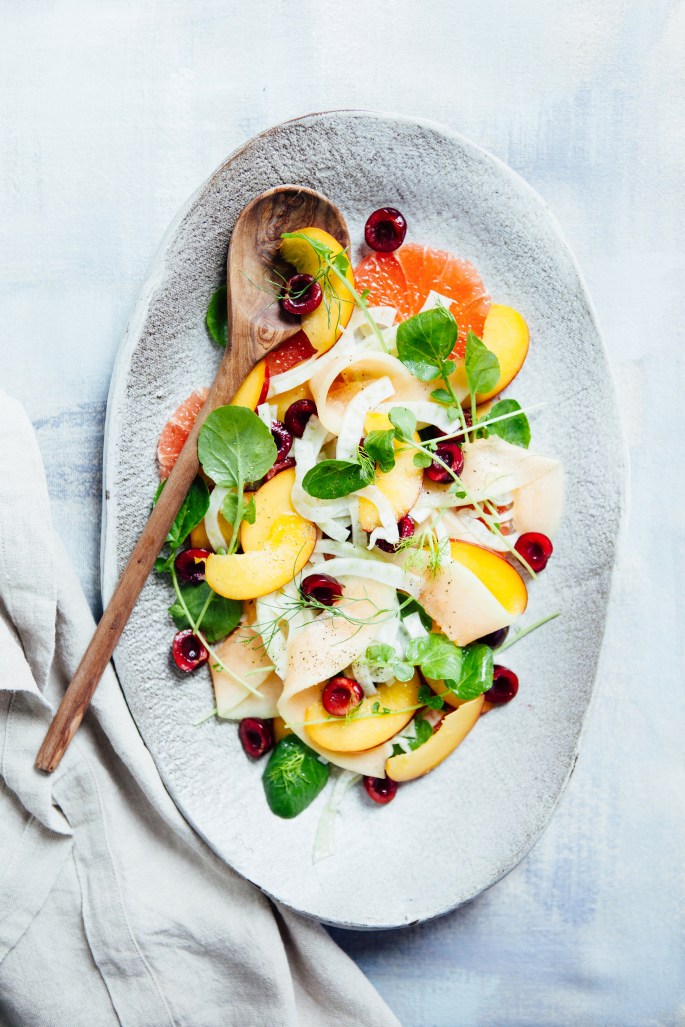
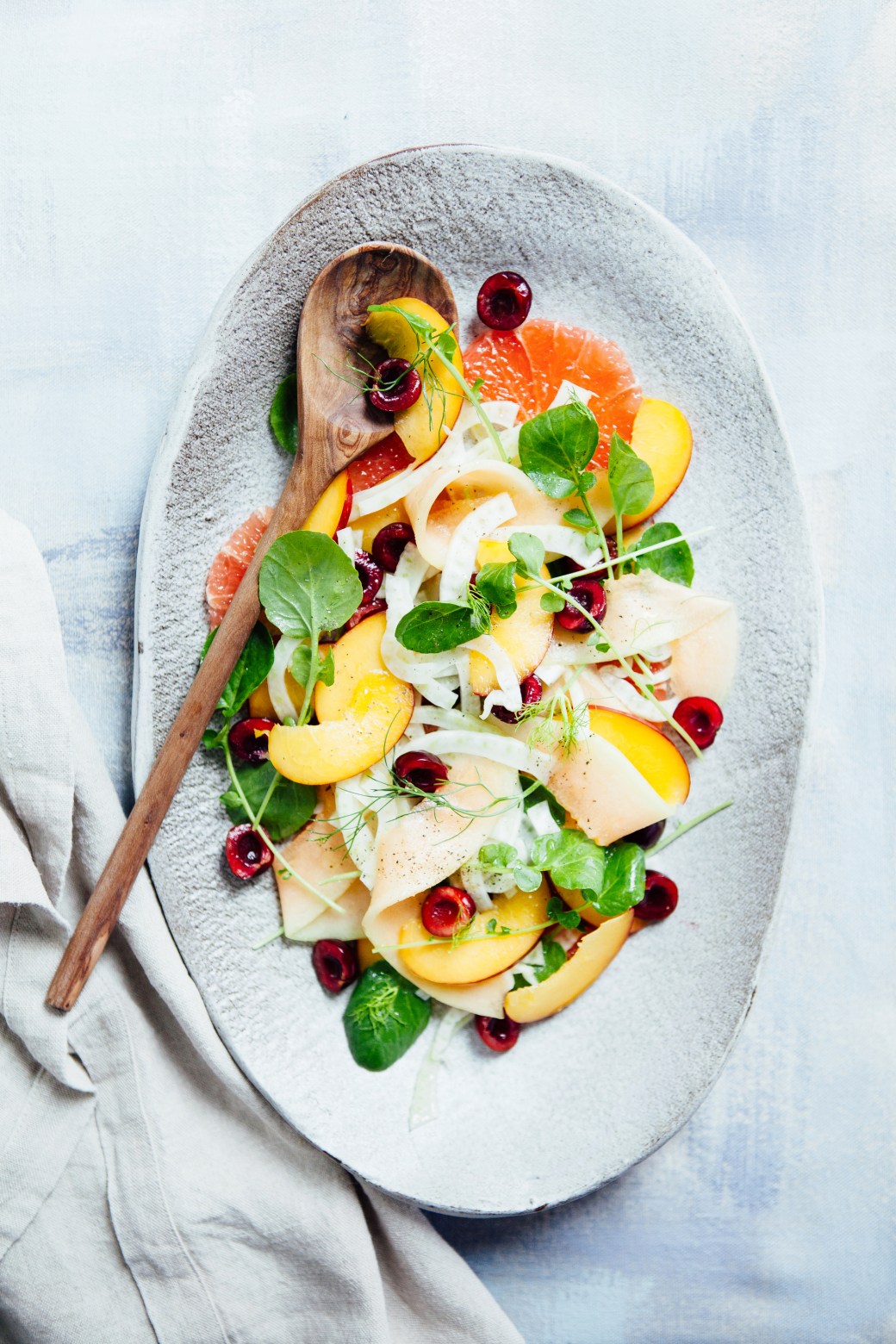
Salad_Nectarine.jpg

Since there are so many toxins to be exposed to in the world today, supporting your body’s detoxifications systems is one of the most important things you can do to keep yourself healthy. Toxin build ups can lead to a number of issues, including fatigue, headaches, rashes, hives, increased inflammation (and therefore greater risk of disease), and more. So one of the best ways to feel your absolute best is to keep your detoxification systems running smoothly.

What are some ways to detox and how effective are they?

Juice cleanses

Juice cleanses are probably what comes to mind when you think of detoxification. The point of the cleanse is to give your body a break with something that is is easy to process and still gives you tons of nutrients. Afterward, you’re supposed to feel shiny and new because your liver and digestive system have had the chance to get rid of any toxins building up due to the fact you’ve only ingested fruit and vegetable juice for at least a few days.

However, juice cleanses tend to have a lot of side effects of their own. One of the biggest is thesignificant reduction of calories for several days. While vitamins and minerals are critical to functioning, calories are equally critical to ensure you have enough energy to get through the day. Without enough calories, you risk slowing down your metabolism tremendously and feeling lethargic or lightheaded throughout the cleanse.

And there are other parts of food your body uses as well, like protein (for essential amino acids and muscle building), fat (for energy, hormone creation, and absorbing certain vitamins and minerals), and fiber (to help food move through your digestive tract and slow the breakdown of carbohydrates so you don’t spike your blood sugar levels). So going on a long-term cleanse means you’re depriving your body of its building blocks, which can harm a number of your organs while trying to give them a rest.

Sadly, you might not even be giving them the rest you think you’re giving them. The last big issue with juice cleanses is the amount of sugar you’re intaking. Even if you’re fresh pressing the juice yourself, it’s still processed by your body like sugar. And without pulp and fiber to slow down the absorption of the juice, your blood sugar spikes and your liver has to process all that extra glucose in a short amount of time as insulin brings your blood sugar to normal levels. One glass of juice isn’t terrible, especially when consumed with other food. But when you’re drinking it multiple times a day without food for multiple days, that puts a huge amount of strain on your liver.

If you’re going to attempt a cleanse, a 1-2 day bone broth cleanse is a better bet than a long-term juice cleanse (since fresh-made bone broth contains so many nutrients and tissue-healing collagen). But cleanses aren’t meant to be done often, and you’re probably better off doing long-term maintenance work that isn’t as harsh on your boy than short-term cleanses.

Intermittent fasting

Unlike juice cleanses, intermittent fasting is a practice that happens continually over the course of months or years and doesn’t deprive the body of what it needs when done correctly.

Most people might think of fasting as a way to consume fewer calories and therefore lose weight over time. However, weight loss isn’t actually the main benefit of fasting. In fact, many people find they don’t lose significant amounts of weight (and if they fast incorrectly they might find themselves gaining weight).

The main benefit really is to give your body a rest. And with that can come many benefits. Some people have seen a faster metabolism, decreased blood pressure, increased insulin sensitivity, and decreased blood glucose after doing intermittent fasting for a few weeks.

Unfortunately, these benefits depend on a number of factors (like gender, health history, amount of time fasted, types of food consumed during the “feast” period). But one of the most interesting finds is that decreased inflammation seems to happen across the board.

There still isn’t a clear reason as to why this happens, but one hypothesis is that you’re consuming fewer toxins over the course of a week (because you’re consuming less food containing toxins), making it easier for your body to filter them out. Kind of like the idea behind juice cleanses, only with limited deprivation periods and much more support for your body’s needs.

So how does it work? There are many flavors of intermittent fasting, like:

  • Alternate day fasting – eat for 24 hours then fast for 24 hours and repeat. In the most popular version, you eat breakfast and lunch one day, then fast until dinner the following day
  • One meal a day – the first time you break your fast is at dinner time, with perhaps a few light snacks here and there during the day. This pattern happens every day
  • 14-16 hour fast – this is a “skip breakfast” model where you stop eating after dinner and don’t eat again until lunch time (some people still have 3 meals, they just start breakfast around noon and have shorter breaks between lunch and dinner)
  • 12 hour fast – the easiest fast of all, and one you’re probably already doing. This simply means you stop eating after dinner and wait 12 hours to eat breakfast the next morning

The more extreme versions of intermittent fasting tend to get the best results, but also tend to have the most risk of slowing down your metabolism and throwing off your hormones if things don’t go as planned. Extreme forms seem to work best for men, while women are recommended to stick to a 12-14 hour fast as they’re more susceptible to ending up with hormone imbalances. And skipping meals isn’t recommended for people with health conditions unless your doctor gives you the all clear.

But no matter who you are, if you’re looking to try intermittent fasting you should start slow and keep records of metrics like blood pressure, blood glucose levels, and weight to make sure they’re not getting thrown off. The good news is that studies have shown that if these metrics are thrown off, they tend to recalibrate after going back to a normal eating schedule.

Deep breathing

Your lungs are important detoxification organs that are often forgotten. When you breathe, they absorb oxygen from the air and expel carbon dioxide from your body to keep your red blood cells functioning. The better your lungs can take in oxygen and remove carbon dioxide, the more energetic you’ll feel and the better your body will function.

Deep breathing works in two ways to support your lungs. First, you’re allowing your lungs to fully expand and contract so they can work to their full capacity. And second, when you train your body to breathe deeply, you strengthen your lungs and make it easier for your body to breathe deeply in the future, even when you’re not thinking about it.

To start training yourself to breath more deeply:

  • Sit up straight or lie on the floor
  • Put a hand on your diaphragm (the stomach area just below where your rib cage meets) and the other on your lower abdomen
  • Take a deep breath in through your nose, focusing on filling your lower abdomen with air first, then your lungs (you’ll feel your lower abdomen rise first and then your diaphragm)
  • Hold the breath for a few counts (2-4 works well to start)
  • Exhale fully through your mouth
  • Repeat for 5 minutes

You want to make sure you exhale for just as long, if not longer than you inhale to make sure you’re fully expelling carbon dioxide from your body. Breathing patterns that tend to work well for people are:

  • Inhale for 4, hold for 4, exhale for 4, hold for 4
  • Inhale for 4, hold for 7, exhale for 8

While you’re strengthening your lungs, you’ll also be reducing stress (and cortisol levels) and activating the parasympathetic nervous system (which helps you digest food better) so you’ll be detoxing your body in other ways as well.

Deep breathing is beneficial for everyone and something that can be done once a day or many times a day.

Bitter foods

For centuries bitter foods, especially bitter greens, have been used to promote good digestion. While ancient civilizations might not have known the science behind it, we now know that this is in large part due to how bitter foods support the liver.

Bitter foods help the liver produce bile, which is crucial for breaking down and processing fats found in food. Bile is also used to dispose of waste products produced by your blood cells.

When you add in that bitter greens have large amounts of fiber to help move food through the digestive tract, you can see why they’re so good for your digestive system.

How do you get more of these into your diet? First you’ll want to start small and get used to eating them if you aren’t already. It might take a bit of time, but the more bitter foods you eat, the more you’ll tolerate them and even want to eat them. Then you can work your way up to eating them a few times a week or even daily.

Bitter foods include:

  • Dandelion greens and dandelion tea
  • Radicchio
  • Broccoli rabe
  • Arugula
  • Collard greens
  • Chard
  • Coffee (without cream or sugar)
  • Nettles and nettle tea
  • Kale
  • Endive
  • Watercress
  • Spinach
  • Mustard greens
  • Chicory

And remember, you don’t need to eat large amounts of these to reap the benefits. Even adding a few pieces of endive or radicchio to a salad to start off supports your liver and can help you work your way up to eventually eating an arugula-based salad.

Water

Perhaps the easiest way to flush toxins out of your system is with good, old-fashioned water. Keeping hydrated ensures your kidneys work properly to process water-soluble toxins out of your body.

Water also supports other detoxification systems in your body. It’s used by your endocrine system to carry toxins out through your skin (aka sweat) and it’s used by your intestines to keep things, well, moving.

Making sure you’re drinking at least 64 ounces of water (or more) is one of the most powerful ways to prevent toxins from building up in your body and the most beneficial thing you can do for your body in general besides getting adequate sleep.

Exercise

Speaking of the endocrine system, exercise allows you to work up a sweat so you can release toxins through the skin and prevent them from building up in your glands.

On top of that, exercise helps lymph fluid to circulate through your lymphatic system. Your lymphatic system doesn’t have a pump to keep lymph moving through the different nodes, vessels, and organs in your body on its own, so it needs you to activate it to keep everything moving.

While more vigorous exercise (like running, weight-lifting, or boxing) works best to activate the endocrine system, less vigorous exercise (like yoga or gentle walking) works best to circulate the lymphatic system. So be sure to mix it up!

(What else circulates the lymphatic system? Staying hydrated and deep breathing. Pretty cool how it all fits together, right?)

Whole foods

Last but not least, keeping your body nourished with whole foods supports all the detoxification systems in your body by giving your body’s many processes and organs exactly what they need to function. Or if you’d rather look at the flip side, avoiding foods that create more toxicity in your body (like sugar and processed foods) helps keep your organs from working too hard and toxins from building up. So whichever way you want to look at it, you’re helping yourself detox.

This can be one of the harder items to implement because it takes a lot of time to either find a restaurant that serves high quality food or to make it yourself.

If you’re too busy to cook or find healthy food most days, try Methodology. Every meal comes with high quality protein and a full serving of vegetables (which sometimes includes bitter greens) to make sure you’re eating food that supports and nourishes your body as much as possible. And they’ve banned refined sugars, flours, and oils, preservatives, and artificial coloring from our kitchen so you never have to worry about the quality of the food you’re eating.